


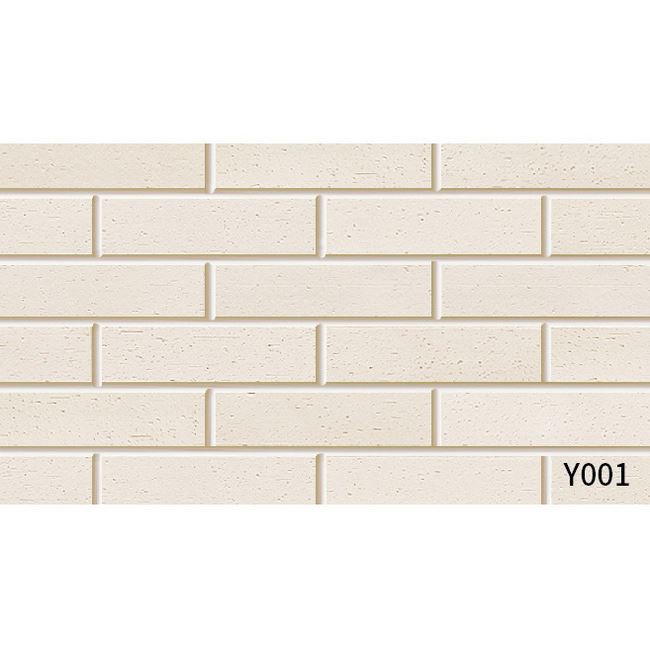
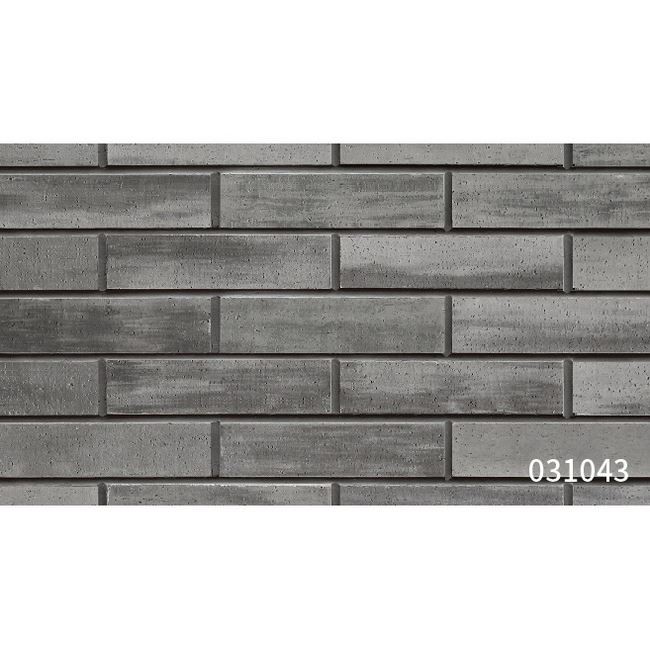
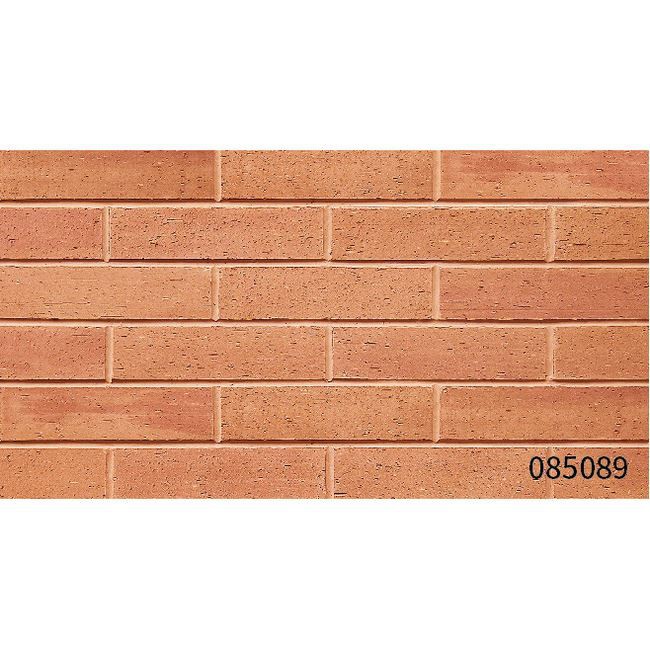
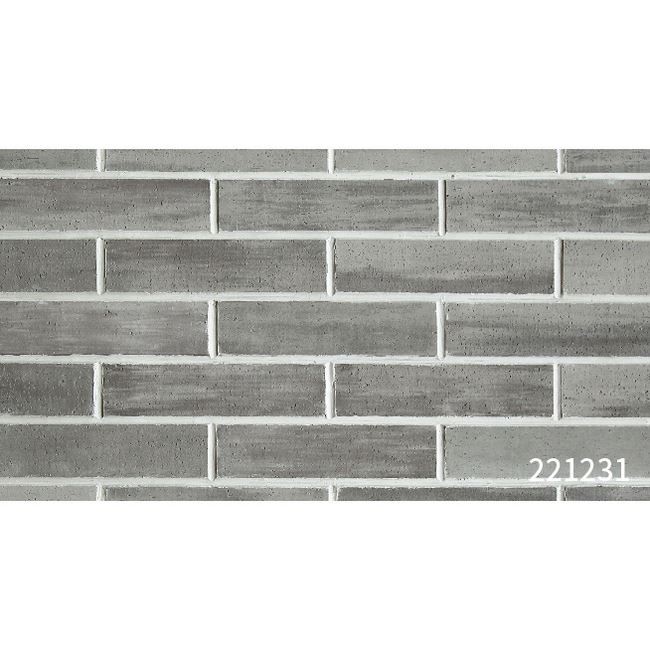
Econic Clay Materials Flexi Brick Series For Interior And Exterior Wall Cladding
- Fast Delievery
- Quality Assurance
- 24/7 Customer Service
Product Introduction
Econic Clay Material Flexi Brick Product Introduction
|
Brand Name |
PHOMI |
| Series Name | Flexibrick Series |
|
Product Name |
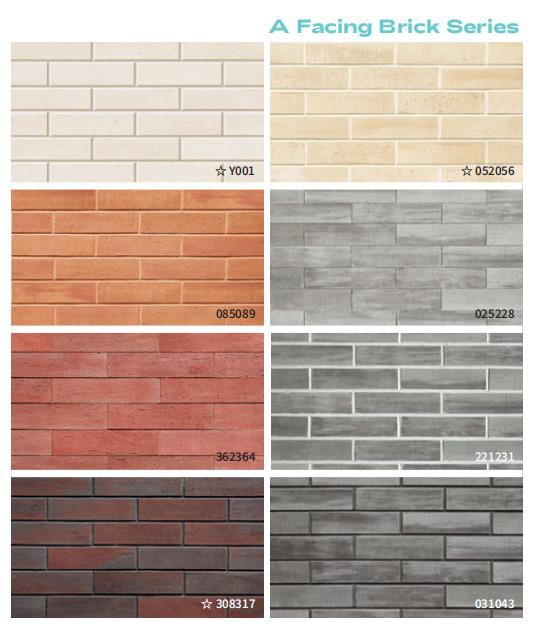
Economical clay material: Series A facing brick. |
|
Product Size |
240*60*2.5-3.5mm, |
|
Color Options |
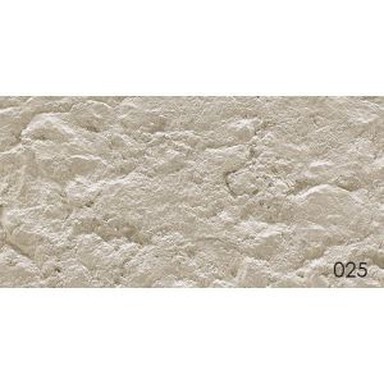
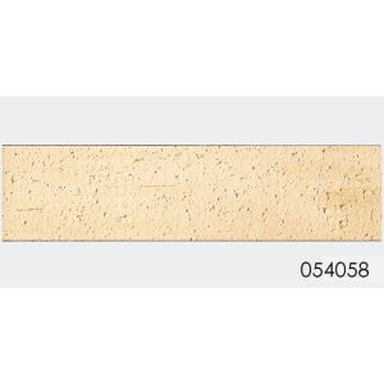
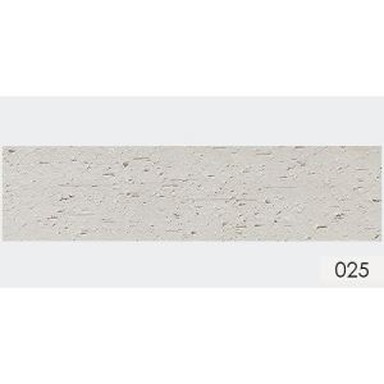
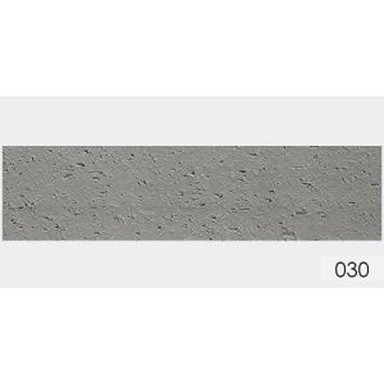
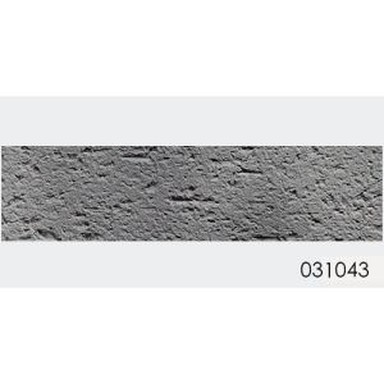
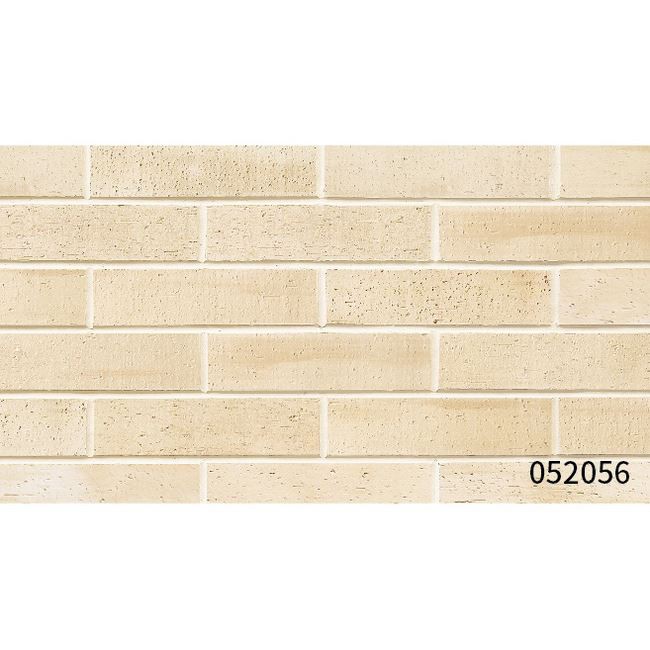
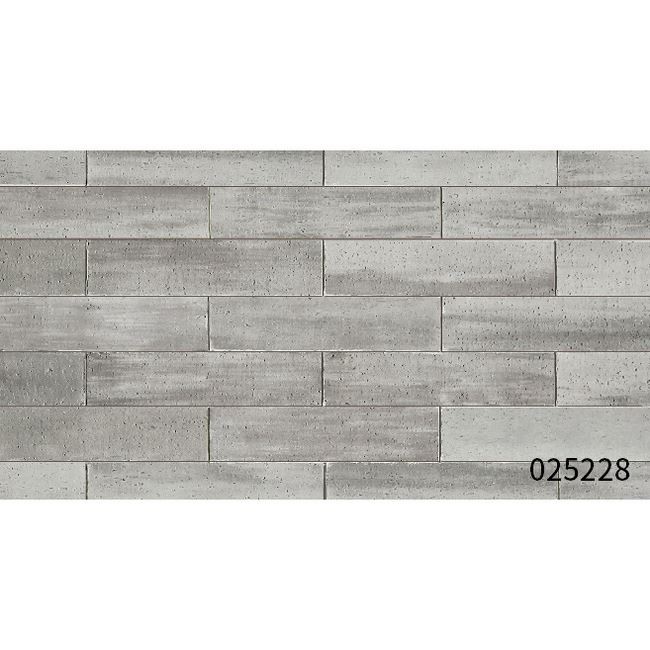
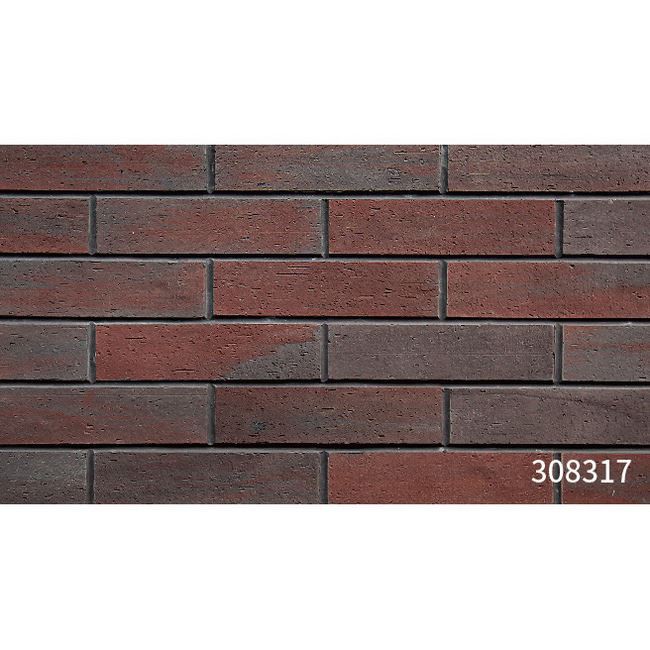
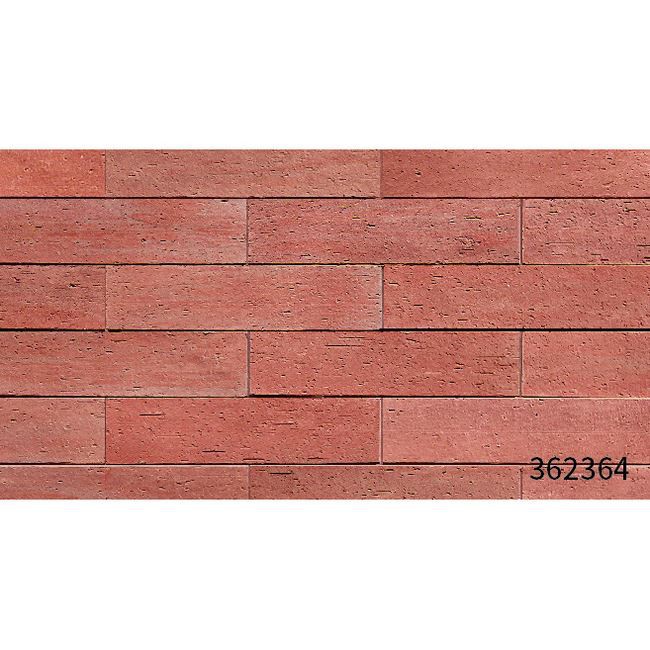
Y001,308317,031043,052056,025228,085089,221231,362364 etc. Based on the color chart and catalogue |
|
Package Details |
400 pcs/box, 5.76 ㎡/box, 27-29kg/box, |
|
Packing Method |
Carton boxes and wooden pallets only |
|
Application Scenarios |
Interior and exterior wall materials, ceiling decoration, floors, |
|
Product Advantages and Features |
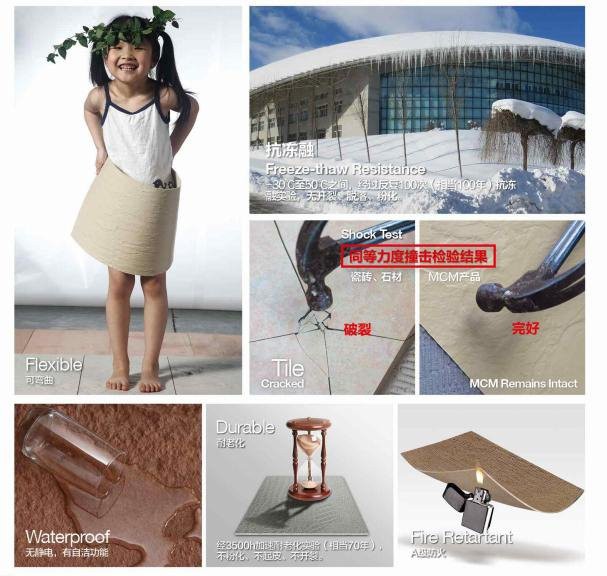
Thin and light, soft, strong performance, Class A fire resistance, Environmental protection, pollution prevention - self-cleaning, Durability, water resistance, acid resistance, alkali resistance, freeze-thaw resistance, Formaldehyde removal, moisture absorption, breathability,
|
|
Market Application Fields |
Public construction market (schools, hospitals, corporate office buildings, stations, etc.) Old town transformation and space renovation market. Real estate market. Home center retail market.
|
|
Port of Shipment |
Any port in China |
|
Payment |
T/T, L/C, Western Union, etc. |
|
Delivery Time |
About 25-35 days, depending on product style and order quantity |
|
Place of Origin |
Guangxi Zhuang Autonomous Region, China |
|
Port of Shipment |
Any port in China |
|
Certificates and Test Reports |
US/EU patents, CE, VOC Class A, US standard ASTM-E84 fire test Class A, Singapore Green Label, MSDS, SGS, ISO14001, ISO9001, etc. |
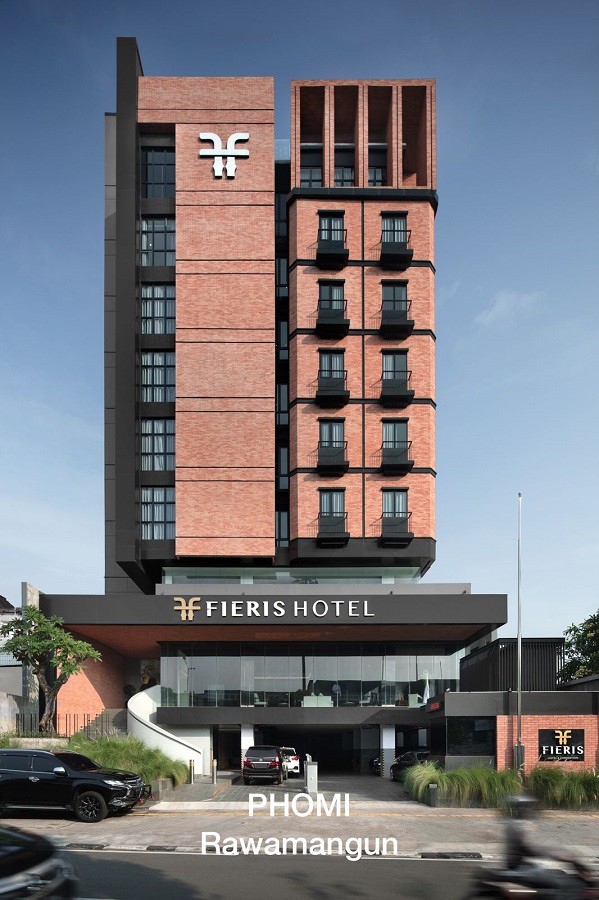
Brick Project Cases
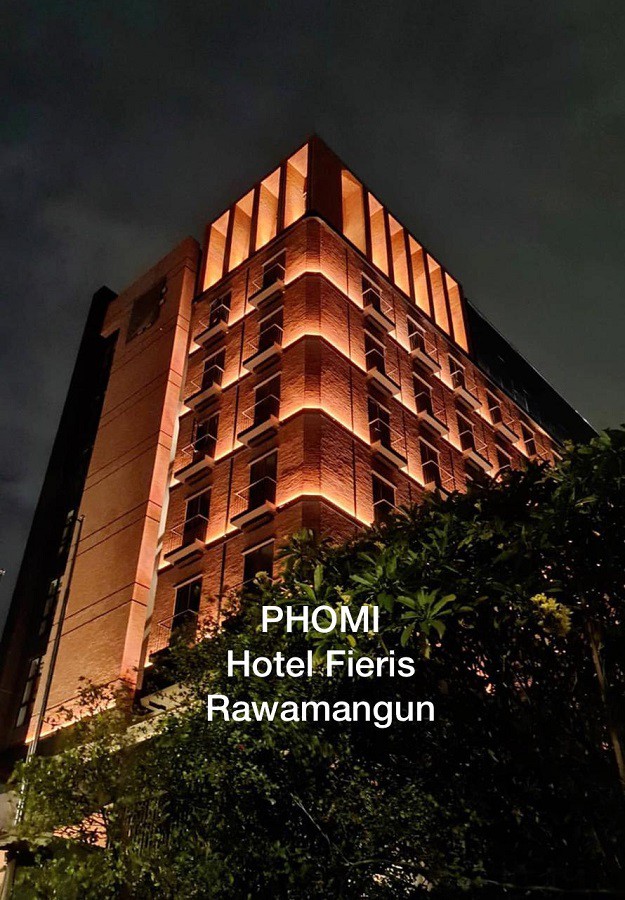
Flexibrick Series -
Collecting brick varieties for the world,
A lifetime achievement in brick and tile architecture.
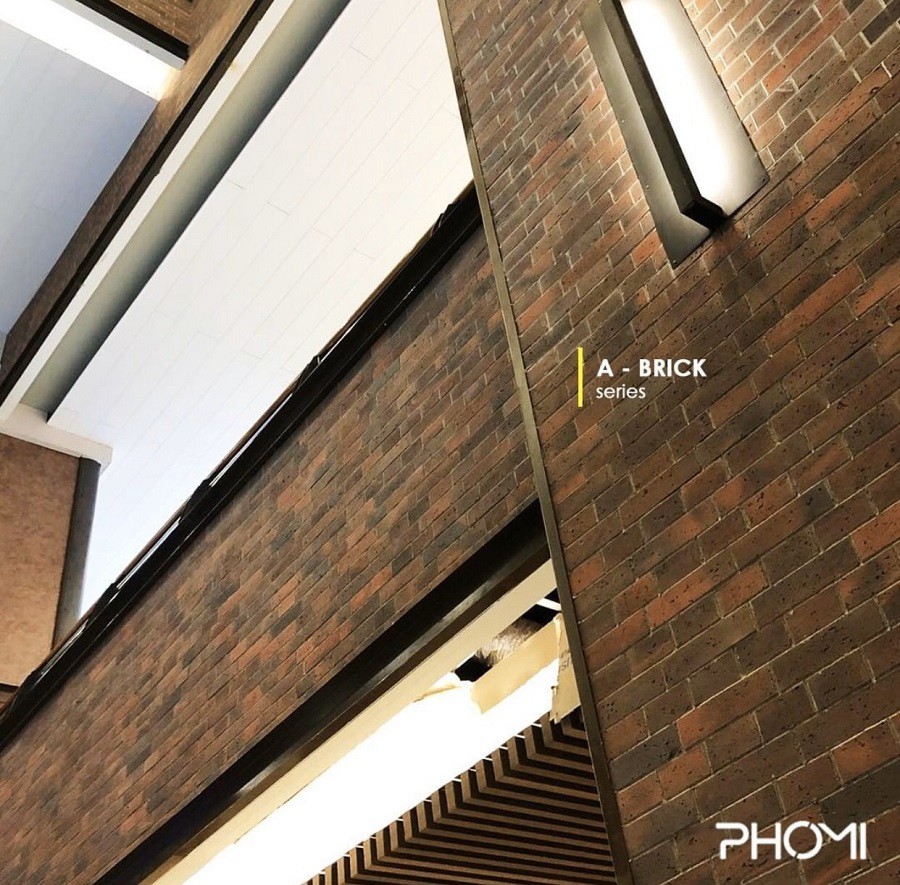
Econic clay material Flexi A brick series
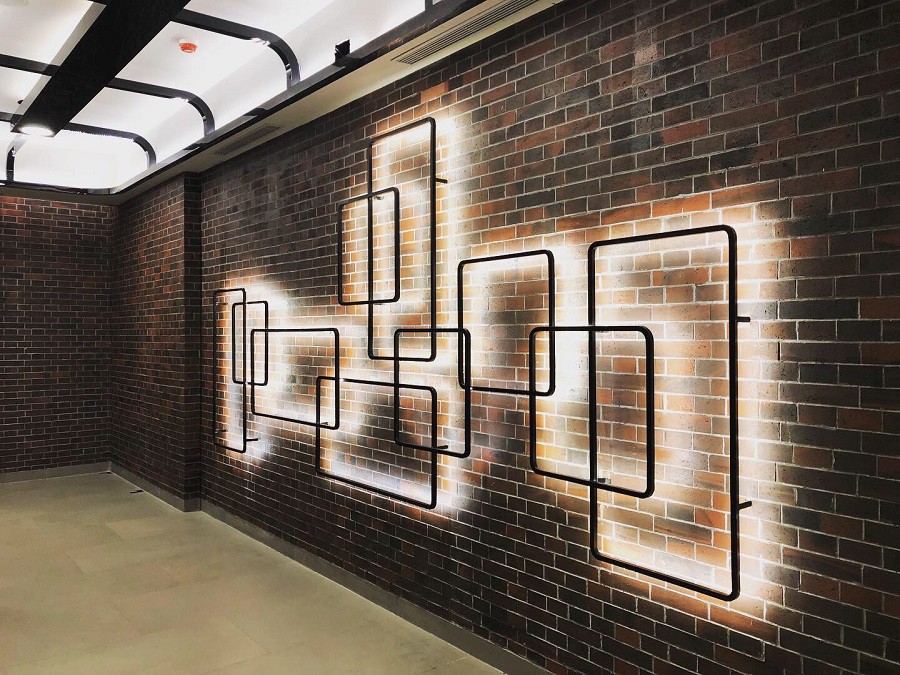
Color Code 308317
Econic Clay Material Flexi Brick Series
Color Code085089
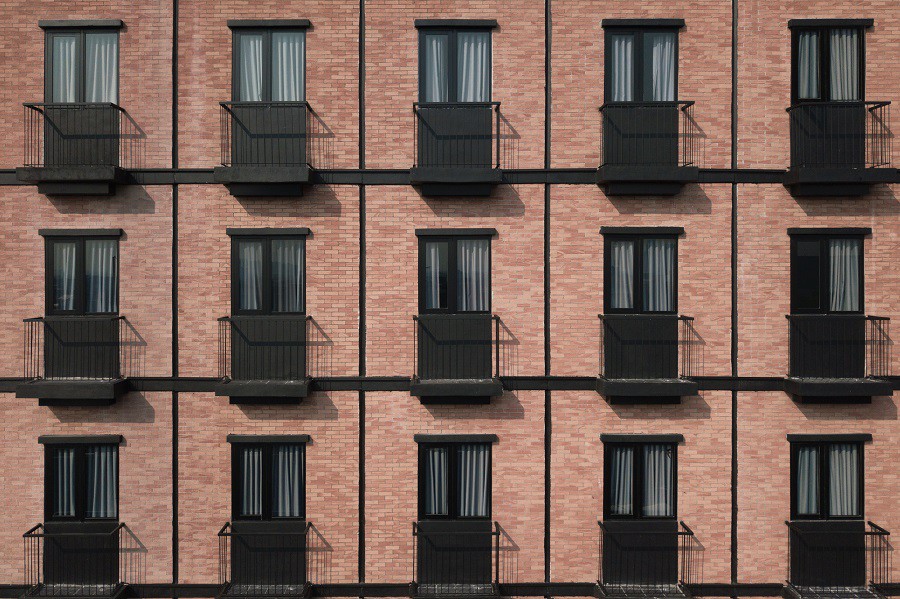
Brick Series for Interior and Exterior Wall Cladding
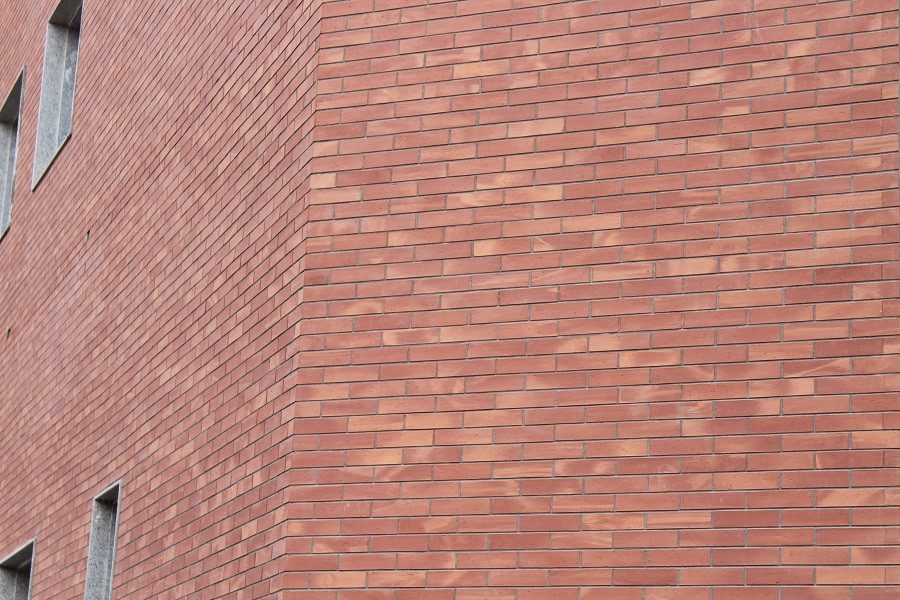
Color Code085089
Differences between MCM (Econic Clay) and Ceramic Tile
MCM (Econic Clay) stone expresses the natural surfaces of the environment without destroying natural mines.
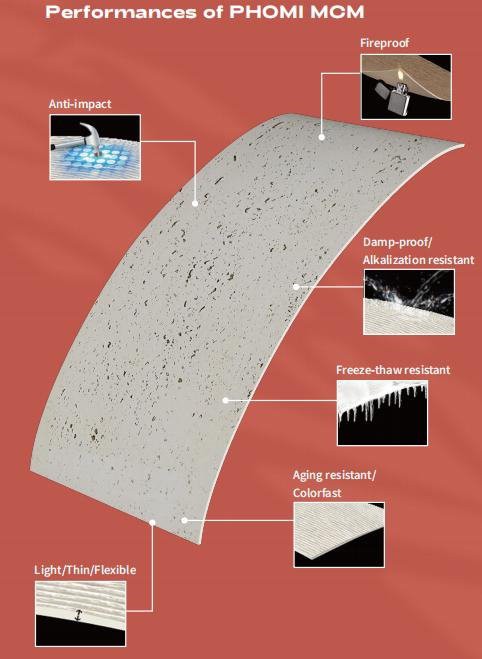
|
1. Structure
|
MCM is an inorganic-organic hybrid formed at low temperature, while ceramic tile is a vitrified product made by high-temperature sintering (above 1200 degrees).
|
|
2. Flexibility
|
MCM is a product with excellent flexibility and bendability, while ceramic tile is a rigid, steel-like product.
|
|
3. Self-cleaning mechanism
|
High-quality MCM has almost no static electricity on its surface, making it less likely to attract dirt. Even if dirt adheres, it is washed off by rain. Ceramic tiles have a uniform glaze on the surface, so dirt adheres firmly. Once dirt adheres by static electricity, it is difficult to wash it off in a natural environment.
|
|
4. Water Absorption & Moisture Permeability
|
MCM is a diffusion-open (air and vapor permeable) material made from natural ingredients.Its water absorption varies between 8-14%, and its high permeability (similar to traditional clay) regulates internal humidity and removes excess moisture when applied to facades with diffusion-open insulation "sandwiches", providing excellent living comfort and bringing health and longevity to the building structure and the people living in it. Ceramic tiles have various applications; in contrast to MC materials, their water absorption is generally 0.1-3% and their breathability is very low.
|
|
5. Raw Materials
|
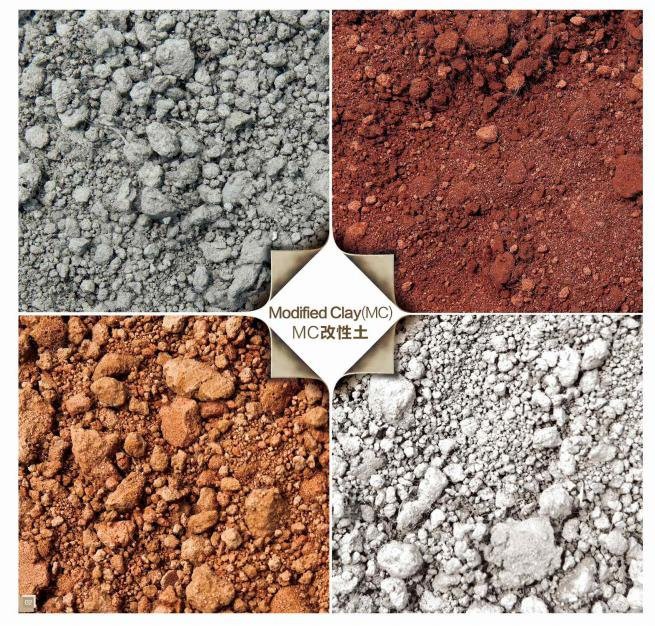
MCM uses natural soil, rock powder/quartz, fine ore/volcanic ash and fly ash as raw materials, while ceramic tiles are made of clay (hydrous aluminium silicate), quartz (silicon dioxide) and feldspar.
|
|
6. Appearance
|
MCM pursues natural colors and textures. An easy way to achieve this is to use natural elements and combine them with other natural materials in a refined way to shape them. We have discovered and mastered this method by leveraging science, ultimate high technology, automation, creative design, and a passion for what is natural, beautiful and perfect.- MCM technology allows a wide range of choices in texture, color combinations and material feel compared with ceramics.
|
|
7. Application Scope
|
In the construction field, MCM is mainly applied to exterior walls, park paths, canals, board roads, interior walls, background walls, ceilings, bathrooms, balconies, elevator lobbies, ships and furniture. Ceramic tiles are mainly used for indoor floors, kitchens, bathrooms, balconies, elevator lobbies, etc. For safety reasons, the use of ceramic tiles on exterior walls has been banned by authorities in many regions.
|
|
8. Abrasion and Scratch Resistance
|
MCM is a flexible slab that can be bent up to 60 degrees, but it cannot be folded. When mounted on a base, it can withstand 100 times the impact force of ceramic tiles. However, like wood, MCM cannot withstand strong scratches from sharp objects. Water can be used to clean MCM, but solvents such as thinner and benzine cannot be used. Ceramic tiles are vitrified products that are fragile but not easily scratched.-Ceramic tiles are easy to maintain thanks to their water and solvent resistance-.
|
|
9. Installation Method
|
For MCM, exterior applications require a full restraint method using a special adhesive and grouting with a low-alkali crack sealer. |
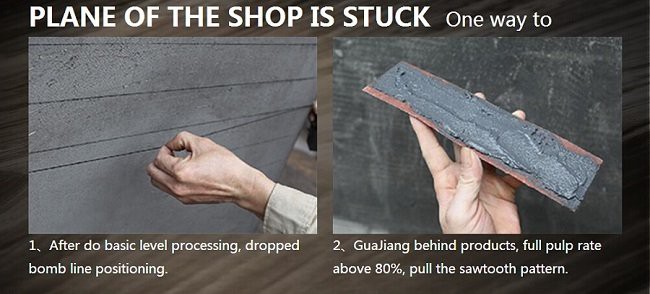
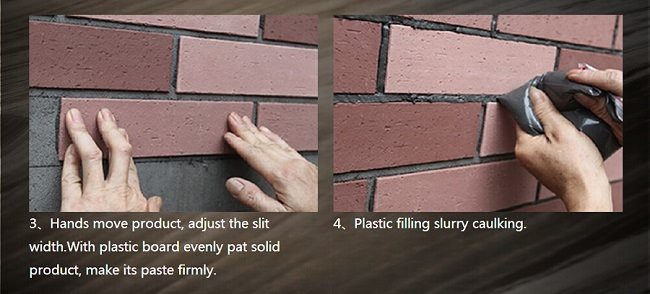
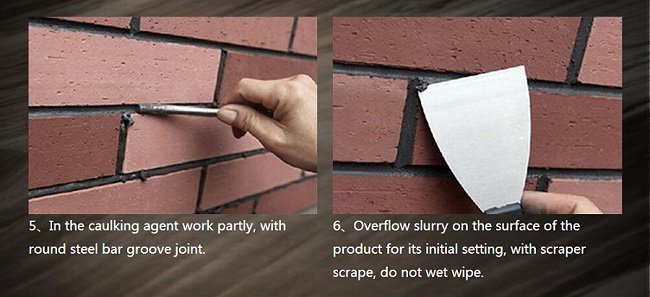
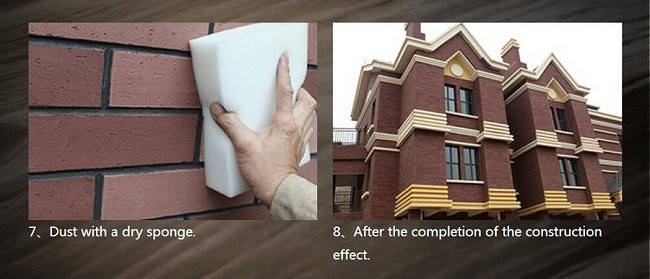
Introduction to Installation Procedures
1. After basic level treatment, determine the position of the dropped line.
2. Scrape the back of the product, with a full-pulp rate of 80% or more, drawing a sawtooth pattern.
3. Move the product by hand and adjust the slit width. Tap the solid product evenly with a plastic board to make the paste firm.
4. Plastic-filled slurry caulking.
5. The caulking agent is applied in parts using round steel bar groove joints.
6. If slurry overflows onto the surface of the product during initial setting, scrape it off with a scraper; do not wipe with water.
7. Remove dirt with a dry sponge.
8. Effect after completion of construction.
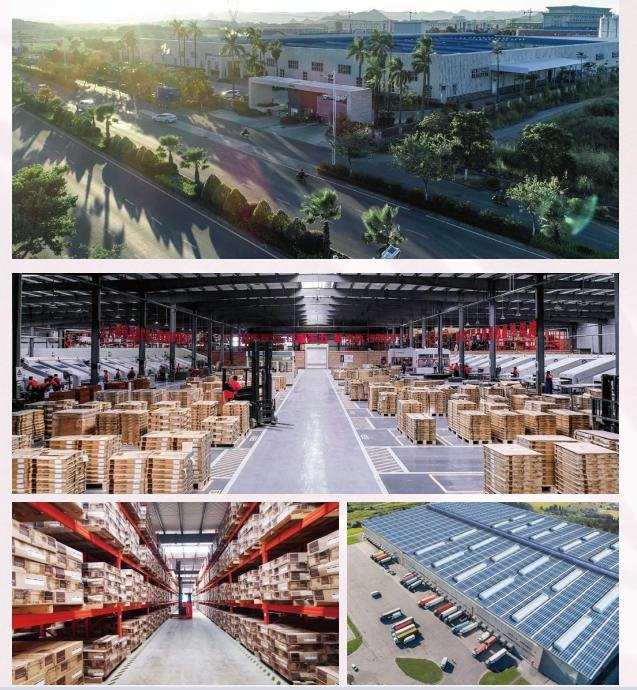
PHOMI Profile
PHOMI has started a material revolution that turns natural soil into a new material - modified clay (MC / econic clay).
Even more new materials can be derived from modified clay, creating unlimited possibilities for material innovation in industries such as construction, automotive, leather, urban roads and sports. For the construction industry, MCM (modified clay material) is an exterior/decoration solution adopting new-generation MC-technology with two advantages: ecology and economy. These materials give the works of architects and designers the characteristics of high functionality, safety, elegance and sustainability. MCM has passed a large number of application tests from equatorial regions to extremely cold regions over more than ten years, proving it to be a future material suitable for human living environments.
As a pioneer in new material R&D and the founder and leader of the MCM industry and national standards, PHOMI is dedicated to providing business partners with material knowledge and planning, benefiting people around the world through materials.
Certification
Econiclay material has passed the inspection and certification of these international organizations.
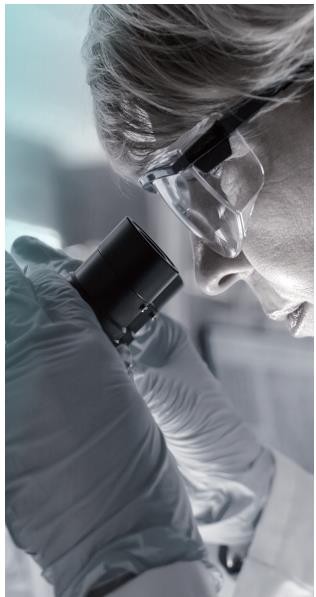
Econiclay material has passed the inspection and certification of these international organizations.
-
1. UL: Underwriters Laboratories (USA)
-
2. EU CE certification and Class A fire resistance certification
-
3. Russia (GOST) standard certification
-
4. Poland Government Industry Council
-
5. TPAT Customs-Trade Partnership
-
6. 2014/90/EU MED 96/98/EC
-
7. Czech Republic fire safety Class A
-
8. Russia fire safety Class A
-
9. Malaysia fire safety Class A
-
10. Singapore GreenLabel green certification
-
11. Korea green building material certification
-
12. UNIEN ISO 14021: At least 40% of the product contains recyclable material
-
Pre-consumer material
-
13. China Certification and Class A Fire Certification
-
14. UNIEN ISO9001 National Quality Management System Certification
-
15. China National Safety Standardization Production Certificate
-
16. China National Administration of Work Safety
-
17. CCEP (China Environmental Product Certification)
-
18. China GreenLabel Green Certification Three-Star
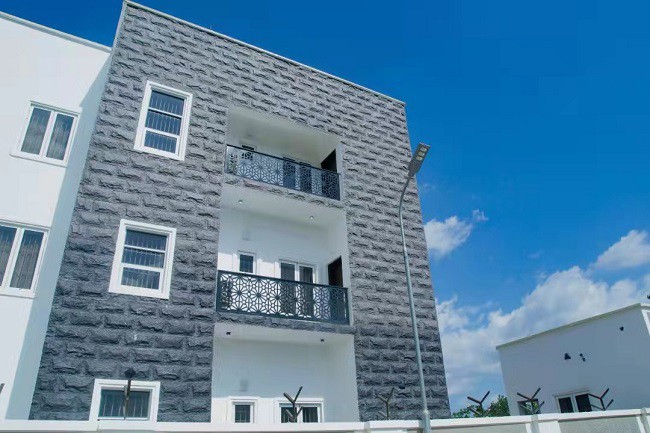
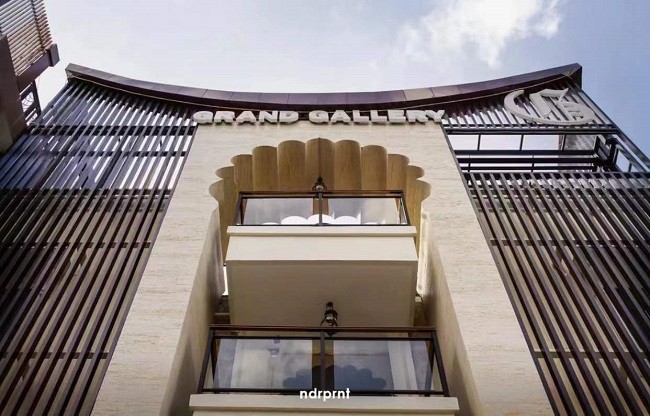
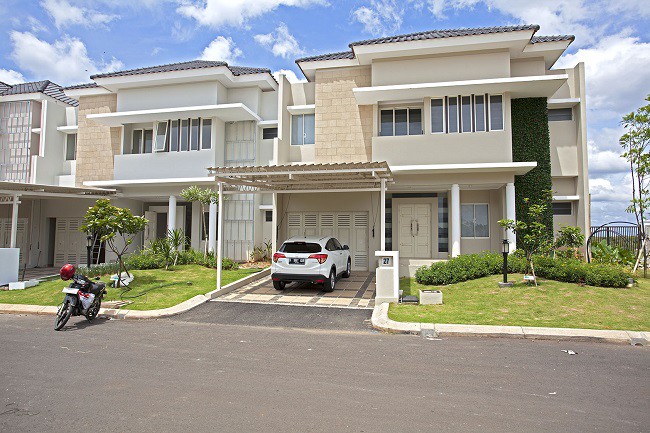
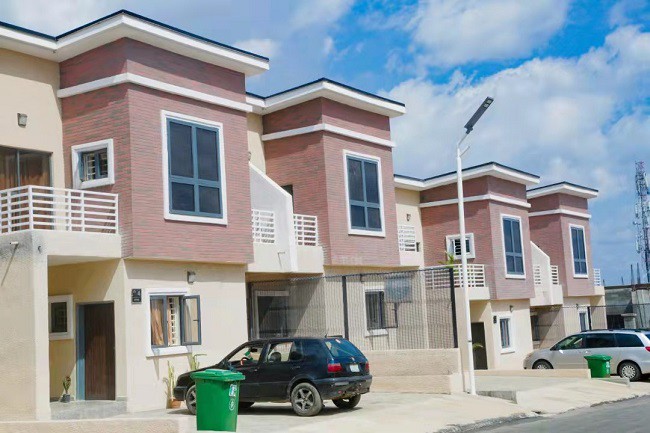
Expanding the Share of Overseas Projects
Hot Tags: econic clay materials flexi brick series for interior and exterior wall cladding, brick series, flexible tile, mcm, wall panel, phomi