

From Design Inspiration To Built Spaces: PHOMI Connects With Middle Eastern Designers
Nov 17, 2026
Choosing a material often begins with its colour and texture. Bringing it into a finished space requires a broader understanding: how it responds to architectural form, how it interacts with light, and what it can contribute beyond its appearance.
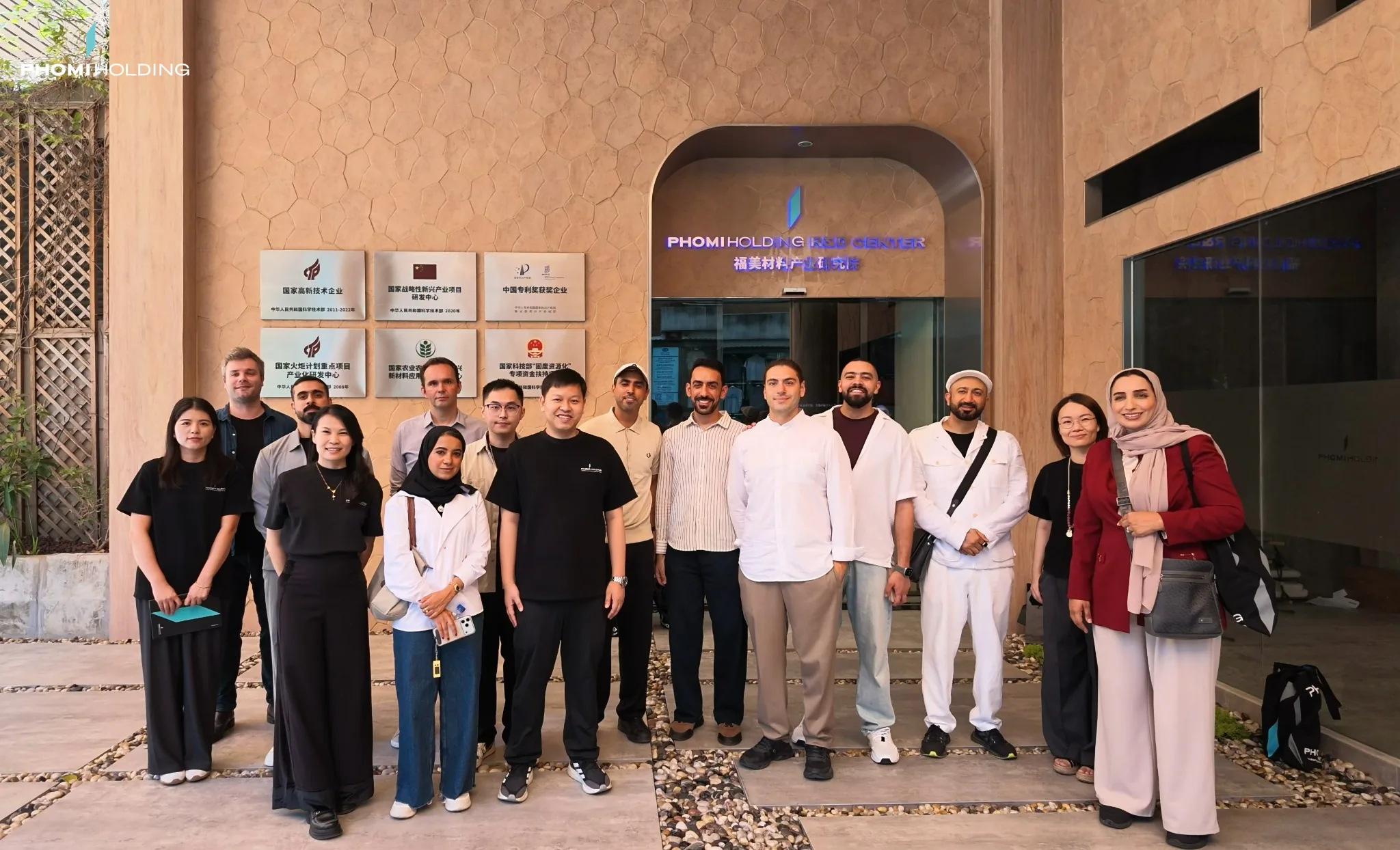
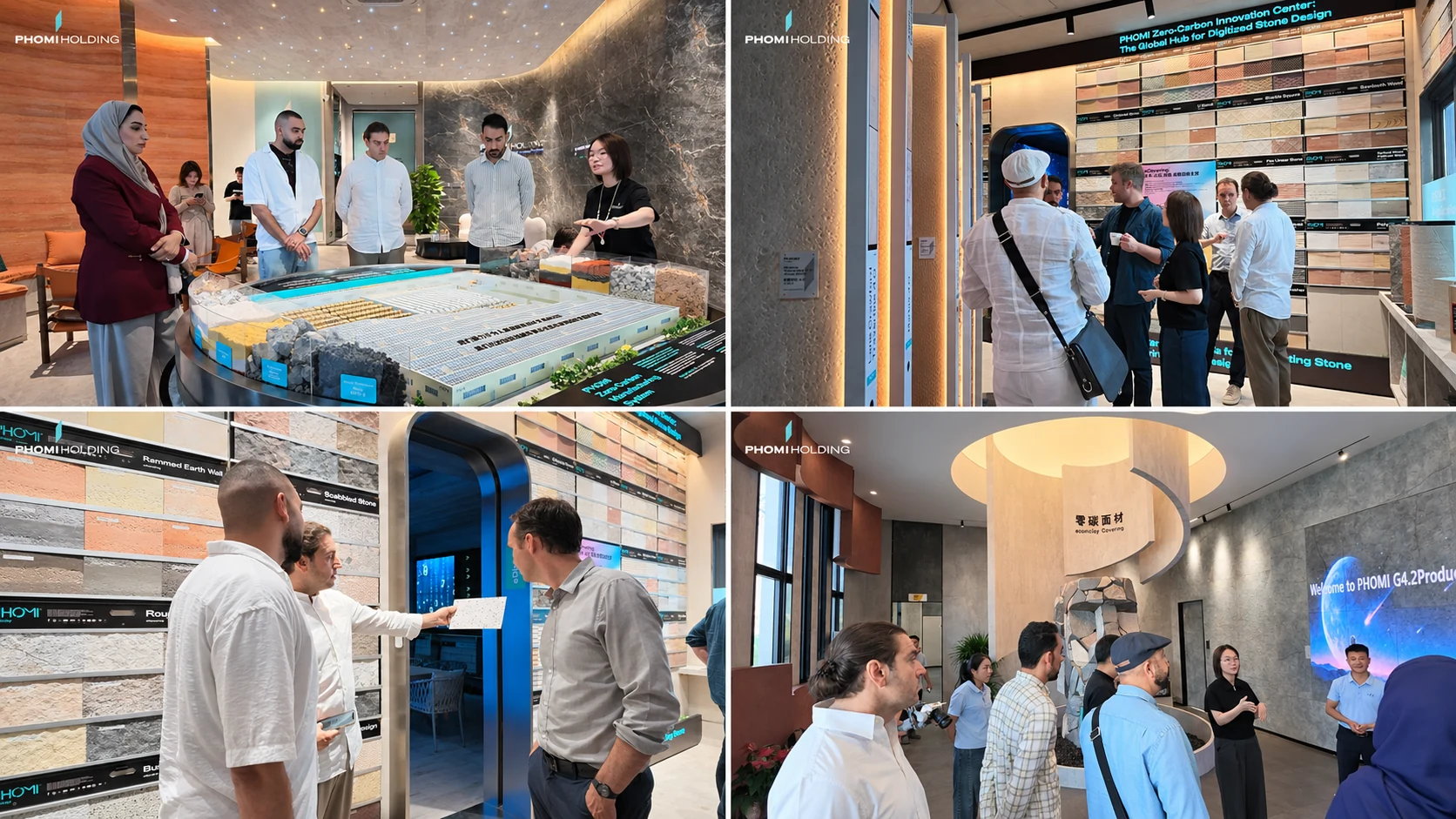
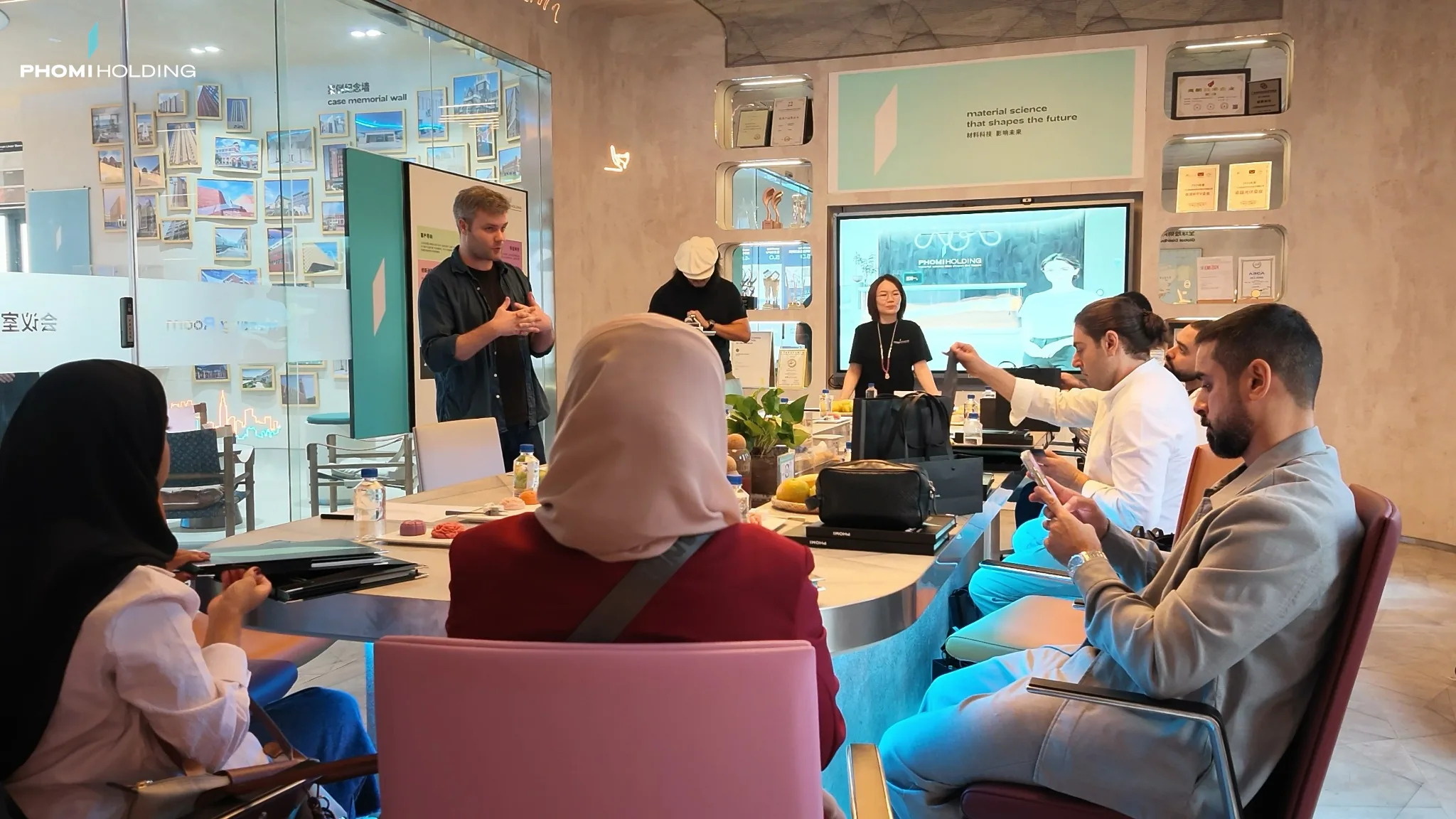
From October 19 to 21, 2026, PHOMI welcomed designers from the Middle East to its first Middle East Designers Forum. Showroom experiences, manufacturing visits, completed project tours and digital interaction brought these questions into focus, connecting material discovery with the practical possibilities of design.
Giving Natural Textures Greater Freedom
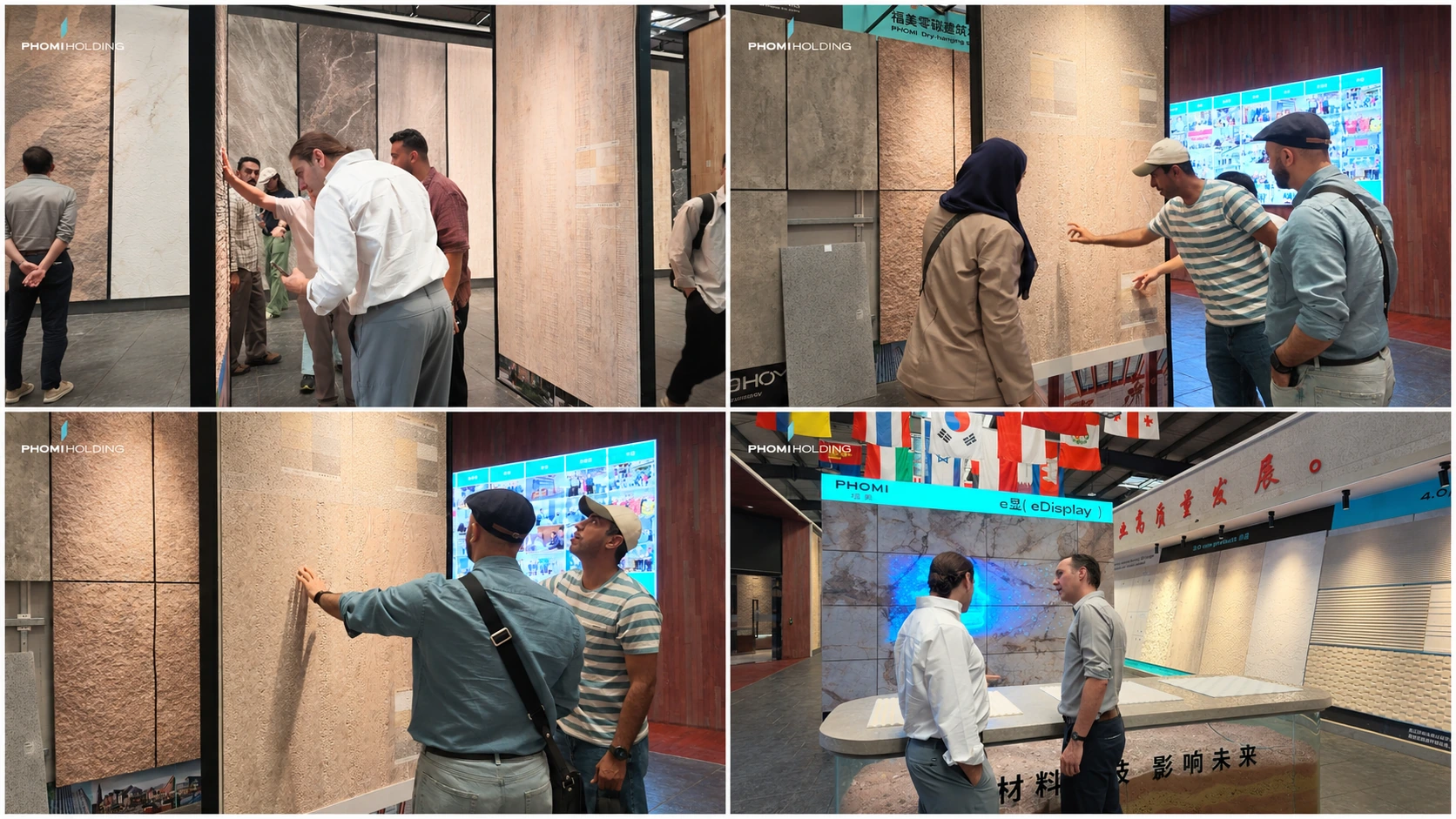
The same texture can create very different impressions across a flat wall, a curved surface or a building façade. Its architectural expression depends as much on its relationship with form as on its visual detail.
eCovering® flexible stone combines natural material aesthetics with lightweight, flexible surfaces, opening opportunities for interior walls, exterior façades and curved architectural elements. This gives designers more ways to carry a material language across different parts of a project.
Experiencing these surfaces in person adds another dimension to the selection process. Texture, depth and tactile qualities become easier to assess, while viewing materials from different distances helps designers consider their contribution to the overall space.
Looking Beyond the Finished Surface
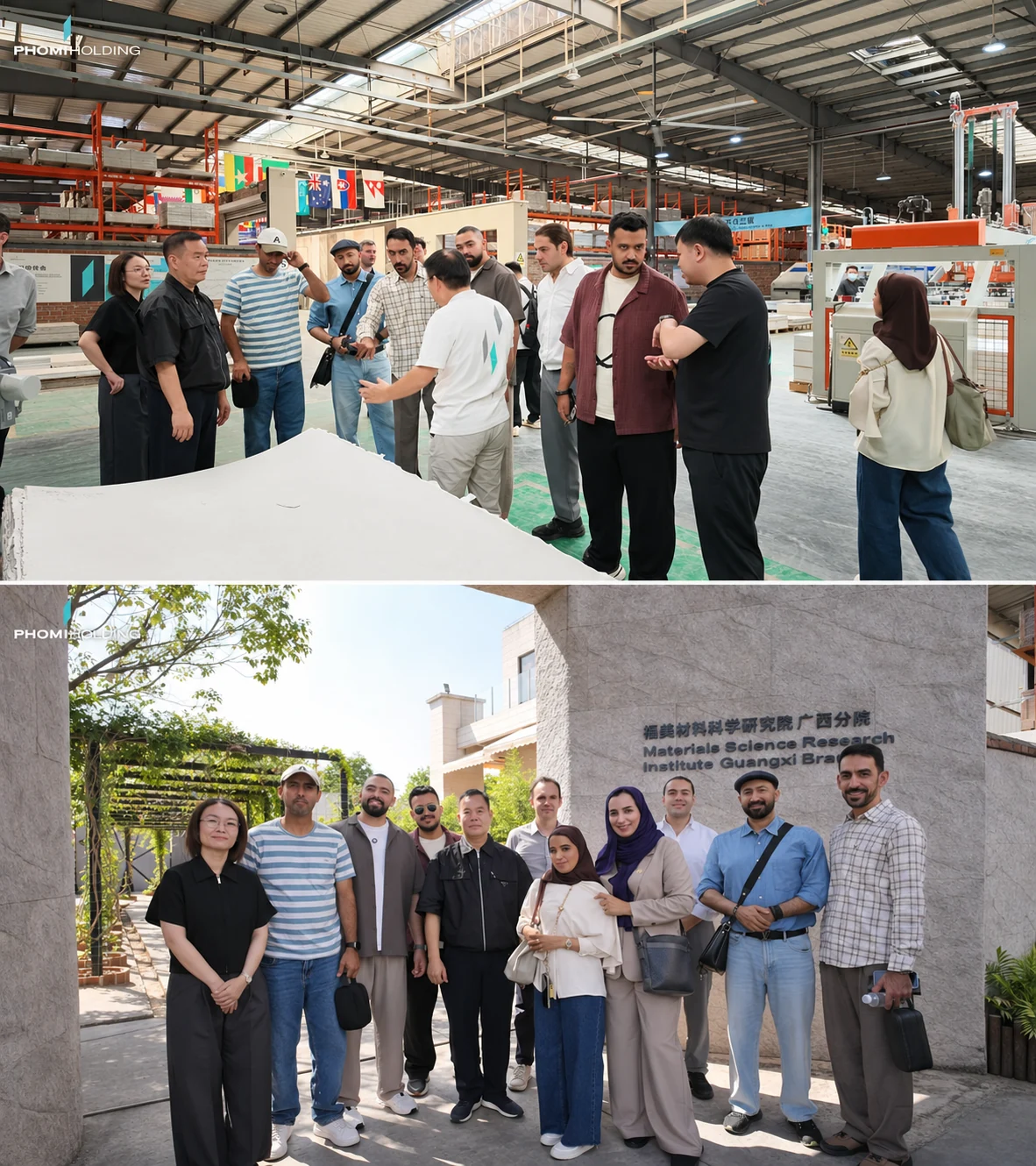
A material's appearance creates the first impression. Understanding how it is made adds context to the decision to specify it.
The manufacturing visit introduced the processes behind PHOMI's architectural surfaces. At the core is econiclay®, PHOMI's mineral material technology, which uses low-temperature processing to transform mineral resources into architectural materials.
For designers, this connection between production and application broadens the conversation around material selection. Alongside colour, finish and dimensions, there is an opportunity to consider resource use, manufacturing methods and their relevance to a project's sustainability objectives.
Access to this information can support more informed discussions between designers, material suppliers and project teams.
Designing Surfaces That Carry Content
Walls and façades help shape how people experience a place. Digital technology introduces further possibilities for the stories those surfaces can tell.
During the forum, the eDisplay experience brought material texture, moving imagery and digital interaction into a shared architectural setting. It offered a starting point for considering how surfaces can support communication and participation within a space.
In a hotel lobby, this could mean introducing visitors to the culture of a destination. In a retail environment, it could help communicate a brand's story. In an exhibition, it could invite visitors to engage more actively with the content around them.
Each application calls for a considered relationship between the material, the digital content and the surrounding architecture. The design opportunity lies in bringing them together as a coherent spatial experience.
Considering Appearance and Function Together
As architectural surfaces take on additional roles, material decisions become more closely connected with energy, communication and the way a building is used.
PHOMI explores these possibilities through complementary solutions. eCovering supports natural texture and architectural form. eDisplay introduces digital expression and interaction. eSolarFacade integrates photovoltaic functionality into the building façade.
Together, they raise useful questions for the early stages of design. How could a façade contribute to energy generation? Where would digital content add value to the visitor experience? How can surfaces with different functions maintain a consistent architectural identity?
Considering these questions early allows materials and functionality to develop alongside the overall design concept.
Seeing Materials at Architectural Scale
A sample reveals a small part of a material. A completed project shows how that material works within a larger whole.
Project visits gave the designers an opportunity to observe surfaces at building scale: how daylight changes the appearance of a texture, how viewing distance affects its presence, and how a finish relates to openings, structural elements and its surroundings.
Moving between close observation and wider architectural views helps connect material selection with the experience of the finished space. It also offers practical reference points for future design decisions.
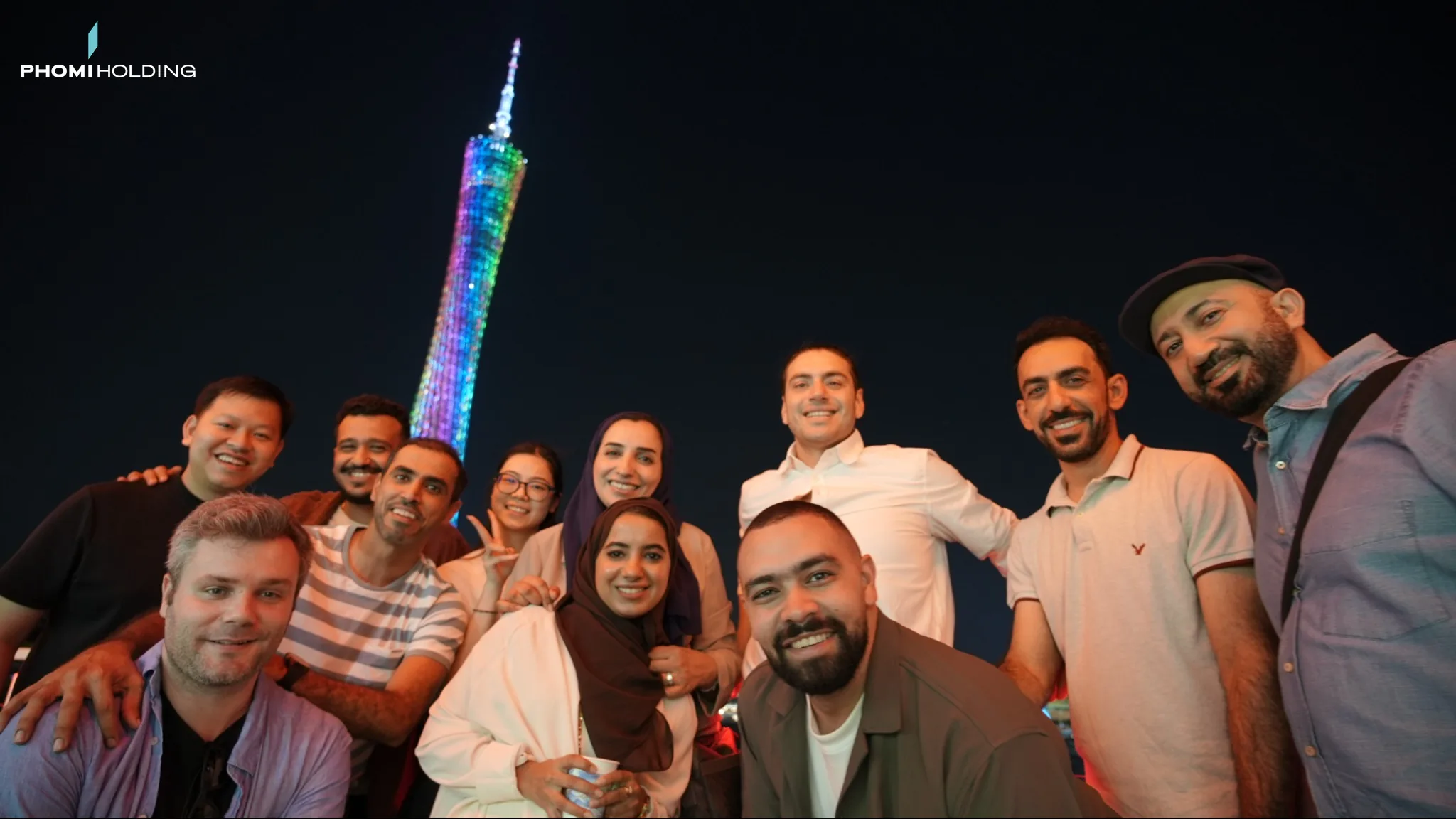
The programme's cultural experiences in Guangzhou extended this exchange. Encounters with local architecture and everyday urban life introduced different perspectives on how places are shaped, experienced and remembered.
Through the Middle East Designers Forum, PHOMI created an opportunity to connect design ideas with a closer understanding of materials, manufacturing and architectural application. These conversations can help inform future projects, while giving material innovation a clearer connection to the needs of the people who design with it.
Contact PHOMI to explore material samples, technical information and architectural surface solutions for your next project.


